In this guide
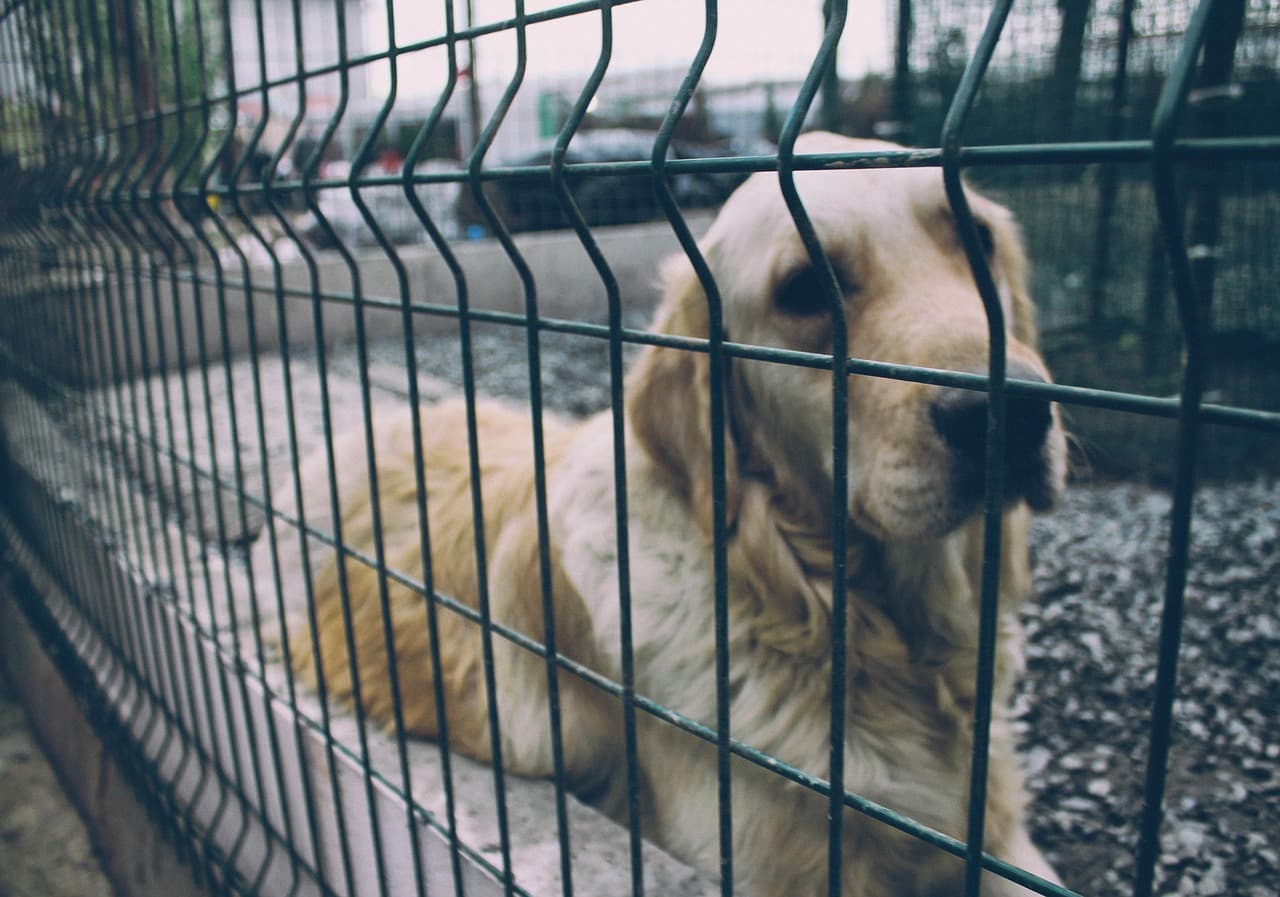
Your labrador swallows a corn cob at a barbecue. The vet says emergency surgery will cost $6,000. You either pay out of pocket or lodge an insurance claim. That single scenario explains why 40% of Australian pet owners now hold some form of pet insurance, up from 27% in 2020.
But pet insurance isn't free. Premiums add up over your pet's lifetime, and policies come with sub-limits, exclusions, and waiting periods that reduce the effective payout. Whether insurance makes sense depends on your pet's breed, age, and your tolerance for surprise bills.
What Pet Insurance Covers in Australia
Australian pet insurance falls into three tiers. Accident-only cover handles injuries: broken bones, snake bites, foreign body ingestion, and car accidents. Accident and illness cover adds diseases, infections, cancers, and chronic conditions like diabetes. Comprehensive cover adds routine care: vaccinations, dental cleaning, desexing, and annual check-ups.
Most policies reimburse you after you pay the vet. You submit the invoice and the insurer pays a percentage (called the benefit percentage), minus any excess. A typical setup: 80% benefit percentage with a $200 excess. If a surgery costs $5,000, you pay $200 (excess) plus 20% of the remaining $4,800 ($960). The insurer pays $3,840. Your total out-of-pocket: $1,160.
Annual limits cap the total payout per year. Budget policies set limits at $10,000 to $15,000. Mid-range policies offer $20,000 to $30,000. Premium policies go to $30,000 or offer unlimited annual cover. Sub-limits apply to specific conditions: $1,500 for tick paralysis treatment, $3,000 for cruciate ligament surgery, $500 for dental.
What Pet Insurance Does Not Cover
Pre-existing conditions sit at the top of every exclusion list. If your dog had a skin allergy before you took out the policy, claims for that allergy will be declined. Some insurers define pre-existing conditions as anything that showed symptoms in the 18 months before the policy start date, regardless of whether you sought treatment.
Waiting periods apply to new policies. Accident cover starts after a few days. Illness cover starts after 30 days. Cruciate ligament conditions have a six-month waiting period with most insurers. Tick paralysis often has a separate waiting period.
Breeding costs, elective procedures, and behavioural therapy fall outside standard cover. Food, supplements, and grooming are excluded. Some policies exclude hereditary conditions (hip dysplasia in German Shepherds, brachycephalic airway syndrome in French Bulldogs), though more insurers have started covering these in recent years.
Dental illness is a grey area. Most policies exclude routine dental cleaning, but some cover dental illness caused by an accident or disease. A tooth extraction after gum disease may or may not be covered depending on the insurer's definition of dental illness versus dental maintenance. Read the PDS dental section before signing up, because dental costs add up fast in older pets.
The Numbers: Premiums vs Vet Bills
The average Australian dog owner pays $40 to $80 per month for accident and illness cover. Cat owners pay $25 to $50. Over a 12-year lifespan for a medium-sized dog, that's $5,760 to $11,520 in premiums. Premiums increase each year as your pet ages, so the later years cost more than the early ones.
| Common Vet Procedure | Average Cost (Australia) | Frequency |
|---|---|---|
| Foreign body removal surgery | $3,000 - $8,000 | One-off emergency |
| Cruciate ligament repair | $4,000 - $7,000 per knee | Common in large breeds |
| Cancer treatment (surgery + chemo) | $5,000 - $15,000 | More common after age 8 |
| Snake bite treatment | $2,000 - $5,000 | Seasonal, regional |
| Tick paralysis treatment | $5,000 - $10,000 | Seasonal, east coast |
| Dental extraction | $800 - $2,500 | Repeated in older pets |
| Skin allergy management (annual) | $1,000 - $3,000 | Ongoing condition |
| Annual check-up + vaccines | $250 - $400 | Every year |
One cruciate ligament repair pays for three to four years of premiums. A single cancer treatment covers six to eight years. If your pet never needs major treatment, you will pay more in premiums than you receive in claims. The Australian Veterinary Association reports that 30% of pet insurance policyholders make a claim in any given year. For a detailed premium comparison, our pet insurance cost breakdown lists prices by breed and age.
When Pet Insurance Makes Sense
Insurance works best when you adopt a breed with known health risks. French Bulldogs, Cavalier King Charles Spaniels, Bulldogs, and Golden Retrievers top the claims frequency charts. These breeds face genetic predispositions to joint problems, heart disease, cancer, and respiratory issues. A French Bulldog owner is far more likely to recoup premiums through claims than a mixed-breed cat owner.
Young pets benefit from insurance the most. You lock in cover before pre-existing conditions develop. A puppy enrolled at eight weeks has no exclusions on the policy. A seven-year-old dog joining for the first time will face exclusions for any condition the vet has noted in their history.
If you cannot absorb a $5,000 to $10,000 emergency vet bill without financial stress, insurance removes that risk. Vet practices now offer payment plans through services like VetPay, but these carry interest. Insurance means the bill gets covered without debt.
Location matters. If you live on the east coast between Cairns and Melbourne, tick paralysis is a real threat. Treatment for tick paralysis costs $5,000 to $10,000, and the condition is common during warmer months. Owners in tick-prone areas claim more than owners in inland or southern regions.
Indoor cats face lower risk than outdoor cats or dogs. They avoid cars, fights with other animals, and most parasites. If your cat lives indoors and belongs to a low-risk breed, the chance of a large claim drops. But cancer, kidney disease, and diabetes affect indoor cats at the same rate.
When Pet Insurance Doesn't Make Sense
If you have savings earmarked for pet emergencies and own a low-risk breed, self-insuring can save money over the long run. Put $50 per month into a dedicated savings account. After five years, you have $3,000 in reserve. After ten years, $6,000. You keep what you don't spend.
Older pets face higher premiums with reduced cover. Our guide on pet insurance for older dogs and cats covers which insurers accept senior pets. Some insurers stop accepting new policies for dogs over eight or cats over ten. Existing policies continue but premiums climb to $150 to $250 per month for elderly dogs. At that point, the excess and benefit percentage mean you still pay a large share of every claim.
If your pet has multiple pre-existing conditions, most claims will be excluded. You will pay full premiums but receive limited benefit. Review the policy schedule before renewing to see which conditions your insurer has excluded.
Accident-only cover sits in a middle ground. At $20 to $35/month for dogs, it handles the expensive emergencies (foreign body surgery, car accidents, broken bones) without the cost of illness cover. If your pet is a healthy breed and you can cover illness treatment from savings, accident-only cover removes the catastrophic risk at a lower cost.
How to Choose a Policy
Compare the benefit percentage first. An 80% policy costs less in premiums than a 90% policy, but you pay double the gap on every claim. For a $5,000 surgery, the difference is $500 vs $1,000 out of pocket (after excess).
Check the annual limit against your breed's risk profile. A $10,000 annual limit won't cover a cancer diagnosis that requires surgery and chemotherapy in the same year. Aim for $20,000 minimum if you own a breed prone to expensive conditions.
Read the sub-limits. A policy with a $30,000 annual limit but a $3,000 sub-limit on cruciate ligament surgery will leave you short if both knees need repair. Some policies have no sub-limits, paying up to the full annual limit for any single condition.
Use a comparison site to view policies side by side. PetSure underwrites around 80% of Australian pet insurance brands (including Woolworths, Real Insurance, and Pet Insurance Australia). The product is often similar across brands despite different pricing. Compare the PDS, not the marketing.
Ask about claim processing time. Some insurers pay within 48 hours after you submit a claim through their app. Others take two to four weeks. When you're facing a $6,000 vet bill, the speed of reimbursement matters. Medibank Pet Insurance and RSPCA Pet Insurance both advertise fast claim turnaround.
Review how the insurer handles premium increases. Some insurers publish their annual premium increase methodology. Others increase premiums based on your pet's claims history, your postcode's claim rate, and veterinary cost inflation. A policy that costs $50/month today may cost $90/month in four years if your area experiences high claims. Ask the insurer for their average annual increase over the past three years.
Watch for co-payment clauses on older pets. Some insurers introduce a 20% co-payment when your pet reaches a certain age (8 for dogs, 10 for cats). This sits on top of the benefit percentage gap. A policy with 80% benefit and a 20% co-payment on senior pets pays 64% of the claim, not 80%. That detail hides in the PDS and surprises policyholders at renewal. Our pet care costs guide puts insurance premiums in context with other ongoing expenses like food, grooming, and vaccinations.
Find the Right Pet Insurance Plan
Compare premiums, benefit limits, and exclusions from top Australian pet insurers before you decide.
Compare Pet InsuranceRelated Content

About the Author
Emma Lawson
Insurance & Lifestyle Writer
Emma Lawson covers insurance, healthcare costs, and lifestyle finance for ProperLoans. With a background in health economics and five years of consumer journalism experience, she is dedicated to helping Australians understand and manage the real costs of everyday life.