Pet Care Costs in Australia, From the First Vaccination to the Last Visit
A dog runs $25,000 to $35,000 across its life and a cat runs $15,000 to $25,000. Here is every line that gets you there: desexing, vaccinations, dental work, grooming, boarding and end-of-life care, priced.
In this guide
- Desexing
- Vaccinations
- The setup bill before any of that
- Food, the line that never stops
- Routine vet work and the procedures that follow
- Grooming, boarding and prevention
- What to budget each year
- End-of-life care
- Clinic against a home visit
- Aftercare
- Does pet insurance pay for it?
- Knowing when
- If the cost is the barrier
- Is a dog cheaper than a cat?
- How much should you keep aside for a pet emergency?
- Do council registration fees change if my pet is desexed?
The RSPCA puts the lifetime cost of a dog at $25,000 to $35,000 and a cat at $15,000 to $25,000. The adoption fee is a rounding error inside that. Vet bills, food, grooming and the final visit carry the weight, and most of them arrive without warning.
This guide prices every major expense in order, from the first vaccination course to the decisions nobody wants to plan for. Figures reflect Australian veterinary rates in 2026 and sit toward the metropolitan end, since Sydney and Melbourne clinics charge 15% to 25% above regional towns.
Desexing
Most Australian councils price registration around desexing. A desexed dog in New South Wales registers for $65 against $210 for an entire animal, and Victoria, Queensland and South Australia apply similar gaps. The surgery pays for itself in registration savings inside two years.
Price tracks size and sex. Female surgery costs more because an ovariohysterectomy is more invasive than a castration, and larger dogs need more anaesthetic and longer theatre time.
| Animal | Male | Female |
|---|---|---|
| Cat | $150 to $300 | $250 to $400 |
| Small dog, under 10kg | $200 to $350 | $300 to $500 |
| Medium dog, 10 to 25kg | $250 to $450 | $400 to $600 |
| Large dog, 25 to 40kg | $350 to $550 | $500 to $750 |
| Giant dog, over 40kg | $450 to $700 | $600 to $900 |
Subsidised programs cut those numbers hard. The National Desexing Network runs campaigns from $80 for cats and $120 for dogs through participating vets, and many councils hand pension card holders vouchers worth $50 to $150. Vets recommend the procedure at four to six months, though breeders and rescues often desex before adoption, which takes the cost off your first year entirely.
Vaccinations
Puppies and kittens need a course across their first year, then boosters. For dogs the core vaccine is the C3, covering distemper, hepatitis and parvovirus. Boarding kennels and daycares want the C5, which adds parainfluenza and Bordetella. Puppies take three shots between six and sixteen weeks.
For cats the core is the F3, covering panleukopenia, calicivirus and rhinotracheitis. Cats that go outside often get the feline immunodeficiency virus vaccine as well.
| Vaccine | Puppy or kitten course, 3 shots | Annual booster |
|---|---|---|
| C3, dog core | $210 to $300 | $80 to $120 |
| C5, dog core plus kennel cough | $270 to $380 | $120 to $170 |
| F3, cat core | $200 to $280 | $80 to $110 |
| FIV, cat, optional | $200 to $280 | $80 to $100 |
| Heartworm injection, dog | Not applicable | $80 to $150 a year |
A first-year C5 course bundled with a health check at each visit lands between $350 and $500. Boosters after that run $120 to $170. Ask whether your vet follows a triennial protocol for core vaccines, because moving from annual to three-yearly boosters takes a recurring line out of your budget.
The setup bill before any of that
The first fortnight carries its own spike, and it lands before the first vet visit. Adoption through the RSPCA or a rescue runs $250 to $700 for a dog and $150 to $350 for a cat, usually with desexing, microchipping and the first vaccination already done. A breeder charges $2,000 to $8,000 depending on breed, and popular crossbreeds sit at the top of that range with none of the veterinary work included.
Then comes the equipment. Most owners underestimate it because each item looks small on its own.
| Item | Dog | Cat |
|---|---|---|
| Bed | $40 to $150 | $30 to $80 |
| Crate or carrier | $60 to $200 | $40 to $90 |
| Lead, collar and harness | $50 to $150 | $20 to $40 |
| Bowls, toys and grooming basics | $60 to $150 | $40 to $100 |
| Litter tray and scratching post | Not applicable | $60 to $180 |
| Puppy school or behaviour classes | $150 to $350 | Not applicable |
| Setup total | $360 to $1,000 | $190 to $490 |
Puppy school is the line worth protecting. A six-week course costs $150 to $350 and heads off the behavioural problems that later cost far more, whether in damaged furniture or in the trainer you hire at eighteen months to fix a dog that never learned to be alone.
Food, the line that never stops
Food is the largest recurring expense across a pet's life and the one owners most often guess at. A 25kg dog on a mid-range dry food eats through about 12kg a month, which costs $60 to $110. Move to a premium or veterinary diet and that becomes $120 to $200. Across twelve years the difference between those two shelves runs past $10,000.
Cats cost less to feed and are fussier about it. Dry food for an average cat runs $25 to $45 a month, and a wet-food diet doubles that. Prescription diets for urinary or kidney conditions, which a lot of cats end up on after age ten, cost $90 to $160 a month and continue for the rest of the animal's life.
| Diet | Cat, monthly | Medium dog, monthly | Large dog, monthly |
|---|---|---|---|
| Supermarket dry | $20 to $35 | $40 to $70 | $60 to $100 |
| Premium dry | $35 to $60 | $70 to $120 | $110 to $180 |
| Wet and dry mixed | $50 to $90 | $90 to $160 | $140 to $240 |
| Prescription veterinary diet | $90 to $160 | $120 to $200 | $180 to $300 |
| Raw or fresh delivered | $70 to $120 | $150 to $280 | $250 to $450 |
Buying in bulk moves the number more than switching brands does. A 15kg bag costs 20% to 30% less per kilo than a 3kg bag of the same food, and subscription delivery from the online pet retailers takes another 5% to 10% off. Storage is the only constraint, and a sealed container solves that for $30.
Routine vet work and the procedures that follow
A standard consultation costs $60 to $100 in a capital city. An after-hours emergency clinic charges $200 to $400 for the consultation alone, before anyone treats anything.
Microchipping is compulsory in every state and territory, and breeders and shelters must chip before sale. If your pet arrived without one, a vet charges $50 to $80 to implant it and $30 to $60 to register it on a national database.
| Procedure | Cost |
|---|---|
| Standard consultation | $60 to $100 |
| After-hours emergency consultation | $200 to $400 |
| Dental clean under anaesthetic | $400 to $1,000 |
| Tooth extraction, per tooth | $100 to $300 |
| X-ray | $200 to $400 |
| Blood test panel | $150 to $350 |
| Ultrasound | $300 to $600 |
| Skin lump removal | $400 to $1,500 |
| Foreign body removal surgery | $2,000 to $5,000 |
| Cruciate ligament surgery | $3,000 to $6,000 |
Dental disease reaches more than 80% of dogs past their third birthday. A clean under anaesthetic costs $400 to $1,000 depending on how many extractions the vet finds once the animal is under, and an annual dental check catches the problem while it is still a clean rather than surgery.
Grooming, boarding and prevention
Grooming is a breed tax. Short-haired dogs need a bath and nails every six to eight weeks at $40 to $70. Long-haired breeds need a full groom every four to six weeks at $60 to $120, so a Cavoodle owner spends $720 to $1,440 a year before anything goes wrong.
Boarding lands in one lump at holiday time. Kennels charge $35 to $70 a night for dogs and catteries charge $20 to $45. Two weeks away costs $490 to $980 for a dog. In-home sitters through MadPaws or PetCloud start near $30 a night.
Flea, tick and worm prevention runs $150 to $300 a year for dogs and $100 to $200 for cats. Vets sell the same products as the online pharmacies at higher prices, and buying a six or twelve month supply from Pet Circle or Budget Pet Products saves 15% to 25% over single doses at the counter.
What to budget each year
| Expense | Dog, first year | Dog, annual | Cat, first year | Cat, annual |
|---|---|---|---|---|
| Desexing | $300 to $700 | $200 to $400 | ||
| Vaccinations | $350 to $500 | $120 to $170 | $200 to $280 | $80 to $110 |
| Vet check-ups | $120 to $200 | $120 to $200 | $120 to $200 | $120 to $200 |
| Flea and worm prevention | $150 to $300 | $150 to $300 | $100 to $200 | $100 to $200 |
| Food | $800 to $1,500 | $800 to $1,500 | $500 to $900 | $500 to $900 |
| Registration | $65 to $210 | $65 to $210 | $30 to $80 | $30 to $80 |
| Insurance | $400 to $800 | $400 to $800 | $250 to $500 | $250 to $500 |
| Total | $2,185 to $4,210 | $1,655 to $3,180 | $1,400 to $2,560 | $1,080 to $1,990 |
Essentials only. Emergencies, dental work, grooming and boarding sit outside these figures.
One torn cruciate ligament or one swallowed sock adds $3,000 to $6,000 in a single year, so hold a buffer of $1,000 to $2,000 or move that exposure onto an insurer. Breed shifts the whole table: flat-faced dogs run 30% to 50% above a mixed breed of the same size across a lifetime, on breathing problems, skin fold infections and spinal disease. Our pet insurance guide prices cover by breed and age, and ASIC's guide to getting a pet sets the same numbers against a household budget.
End-of-life care
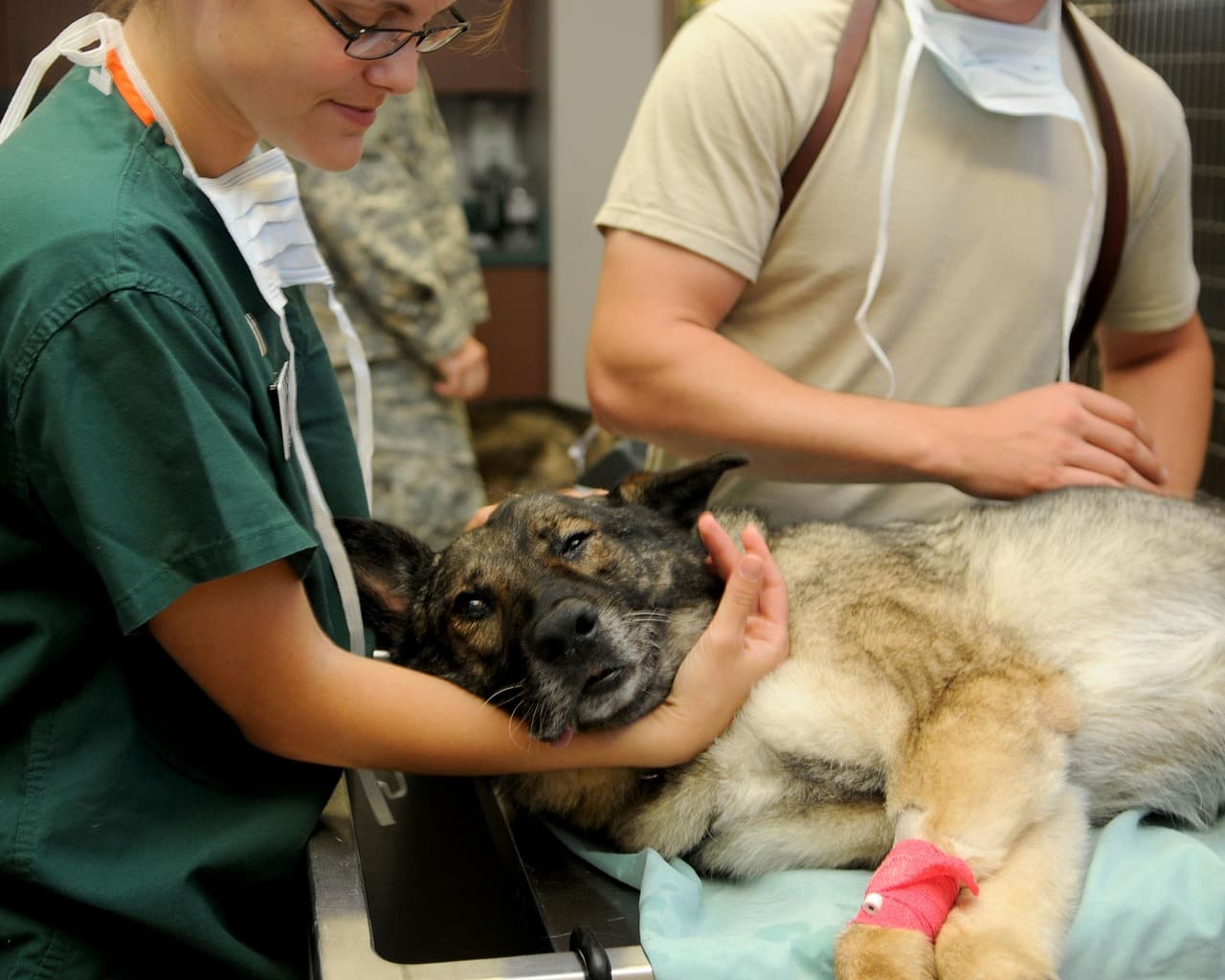
Nobody plans this line. When a vet tells you your dog's quality of life has gone past treatment, the question moves from whether to how, and the cost runs from $150 at a standard clinic to $850 for a home visit with sedation and a private cremation.
The procedure itself takes 30 to 60 minutes. The vet gives an overdose of pentobarbital, usually through a catheter in a front leg, which stops brain function within seconds and the heart inside a minute or two. Your dog loses consciousness before anything else happens.
Most clinics offer pre-sedation as a separate step. A sedative goes into the muscle ten to fifteen minutes ahead, your dog falls asleep in your arms, and the vet proceeds once they are under. It adds $30 to $80. Owners who have been through both describe that money as the best part of the bill.
Vets book longer appointments for this, so you have time before and after. Staying in the room or stepping out before the injection are both ordinary choices.
Clinic against a home visit
| Service | At a clinic | At home |
|---|---|---|
| Euthanasia, base fee | $150 to $300 | $250 to $400 |
| Pre-sedation | $30 to $80 | $30 to $80 |
| Call-out and travel | Not applicable | $50 to $150 |
| After-hours surcharge | $80 to $200 | $100 to $250 |
| Communal cremation | $50 to $120 | $50 to $120 |
| Private cremation, ashes returned | $150 to $350 | $150 to $350 |
| Clay paw print | $20 to $50 | $20 to $50 |
A clinic visit with sedation and communal cremation lands between $230 and $500. A home visit with private cremation and ashes returned runs $450 to $850.
Aftercare
Communal cremation groups your dog with other animals and returns no ashes. It costs $50 to $120 on weight, and many clinics fold it into the base package.
Private cremation returns the ashes in a basic container, with urns and keepsakes priced above that. It starts at $150 for a dog under 10kg and passes $350 for large breeds. Pets at Rest and Pet Angel Funerals operate across the capital cities.
Home burial costs nothing where your council allows it, which covers most rural and semi-rural areas, at a depth of at least 60cm and away from waterways. Urban councils in Sydney, Melbourne and Brisbane restrict or forbid it, so check before you decide. Pet cemeteries exist in every capital, with plots from $500 to $2,000 depending on size and whether you want a headstone.
Does pet insurance pay for it?
| Insurer | Euthanasia covered | Sub-limit | Cremation included |
|---|---|---|---|
| Bow Wow Meow, Ultimate | Yes | Up to $500 | Yes |
| RSPCA Pet Insurance, Comprehensive | Yes | Up to $300 | Yes |
| Petbarn, underwritten by Hollard | Yes, accident and illness | No separate sub-limit | Check the disclosure statement |
| Accident-only plans, any insurer | No, where illness caused it | Not applicable | No |
Comprehensive policies cover euthanasia when a vet recommends it on medical grounds, usually under a farewell or end-of-life benefit that sits apart from the main illness limit. Accident-only cover pays nothing when cancer or organ failure brought you here, which is how most dogs arrive at this appointment.
Knowing when
Vets use quality-of-life scales to take some of the guesswork out. The Villalobos scale scores seven categories from 0 to 10: hurt, hunger, hydration, hygiene, happiness, mobility, and whether there are more good days than bad. A total above 35 out of 70 suggests acceptable quality of life, and below that vets start the conversation.
The physical markers are refusing food beyond 48 hours, falling when trying to stand, laboured breathing at rest, pain that medication no longer touches, and repeated seizures. Your vet will help you separate a bad week from a decline that does not turn around.
Most owners worry they are moving too early. Veterinary staff hear that every week, and the consensus among them runs the other way: a day too early is kinder than a week too late. Your dog does not understand a prognosis. They understand pain, comfort and whether you are there.
If the cost is the barrier
RSPCA clinics operate in every state and price euthanasia on weight from around $100 to $150. Lort Smith Animal Hospital in Melbourne runs means-tested services for concession card holders. Private clinics often offer instalments through VetPay or Zip across three to twelve months, at rates from 0% promotional to 15.9%.
No vet will refuse to euthanise a suffering animal over money. Call the clinic and say where you stand. Most will find a way through.
Is a dog cheaper than a cat?
A cat costs about $600 to $1,200 less each year on the essentials, and the gap widens once grooming and boarding enter. Cats need less food, register for less, and avoid the kennel bills that follow a dog on every holiday. Dental disease and kidney problems in older cats close some of that gap after age ten.
How much should you keep aside for a pet emergency?
Hold $1,000 to $2,000 if you carry insurance, since that covers the excess and the gap on a large claim. Hold $5,000 or more if you do not, because that is where foreign body surgery and cruciate repairs sit. Building the fund before you need it is the whole exercise, and a dog that swallows something in month three does not wait for your balance to catch up.
Do council registration fees change if my pet is desexed?
In every mainland state, yes, and the gap is large enough to fund the surgery. New South Wales charges $65 for a desexed dog against $210 for an entire one. Check your own council, since the fee sits with them rather than the state, and pension concessions stack on top in most areas.
Put the whole pet budget in one place
Food, vaccinations, grooming, prevention and a buffer for the vet visit you did not plan. Build the line into a household budget rather than absorbing each bill as it lands.
Open the budget plannerRelated Content
About the Author
Properfolio Editorial
Editorial Team
The Properfolio editorial team delivers data-driven financial commentary and consumer insights for everyday Australians.