Best Noise Cancelling Earbuds in Australia 2026
Seven pairs of ANC earbuds compared on what noise cancelling can and cannot remove. Bose, Samsung, Nothing and the budget pairs that get close for a fifth of the money.

In this guide
- Fit does half the work
- Why speech survives noise cancelling
- The earbuds worth buying
- Call quality is a separate product
- Battery claims and what you get
- How we picked
- Do noise cancelling earbuds block voices?
- Are expensive ANC earbuds worth it?
- Does noise cancelling damage your hearing?
- Should I choose earbuds or over-ear headphones?
Noise cancelling works by playing the inverse of a sound wave back at your ear. That trick works on steady low frequencies and falls apart on anything unpredictable, which is why a plane goes quiet and the toddler behind you does not.
Brands print a decibel figure anyway. No standard governs how it is measured, so 45dB from one company and 40dB from another describe different tests on different tones, and neither predicts what you hear on the train.
⚡️ Quick Picks
Fit does half the work
Passive isolation is the seal between the eartip and your ear canal. Get it right and you remove 15dB to 20dB before the electronics switch on. Get it wrong and the best ANC on the market has to fight a leak it cannot see.
Most pairs ship three tip sizes and most people use the ones already fitted. Try all three. The correct size feels a shade too large for a second and then settles, and the bass arrives when the seal does.
Foam tips outperform silicone for isolation and wear out in a few months. If a pair sounds thin and the ANC feels weak, change the tip before you blame the earbud.
Why speech survives noise cancelling
Cancelling a sound means generating its mirror image and delivering it at the right instant. Low frequencies are long, slow and repetitive, which gives the processor time to predict the next cycle. A 100Hz engine drone is almost a gift.
Speech sits between 250Hz and 4kHz, changes every few milliseconds and never repeats. By the time the processor has modelled a syllable, the syllable has finished. That is a limit of physics rather than a gap in a product, and no firmware update will close it.
| Noise | Frequency | How much ANC removes |
|---|---|---|
| Aircraft cabin | 80Hz to 200Hz | Most of it |
| Train or bus rumble | 50Hz to 300Hz | Most of it |
| Air conditioning | 100Hz to 500Hz | Much of it |
| Office conversation | 250Hz to 4kHz | Little |
| Keyboard and dishes | 2kHz to 8kHz | Almost none |
Transparency mode does the opposite and pipes outside sound in, which is the setting for a footpath.
The earbuds worth buying
Every pair below clears 4.2 stars on Amazon Australia and has active noise cancelling rather than passive isolation sold as ANC. Ratings and review counts were checked in March 2026.
Bose QuietComfort Ultra Earbuds (2nd Gen)
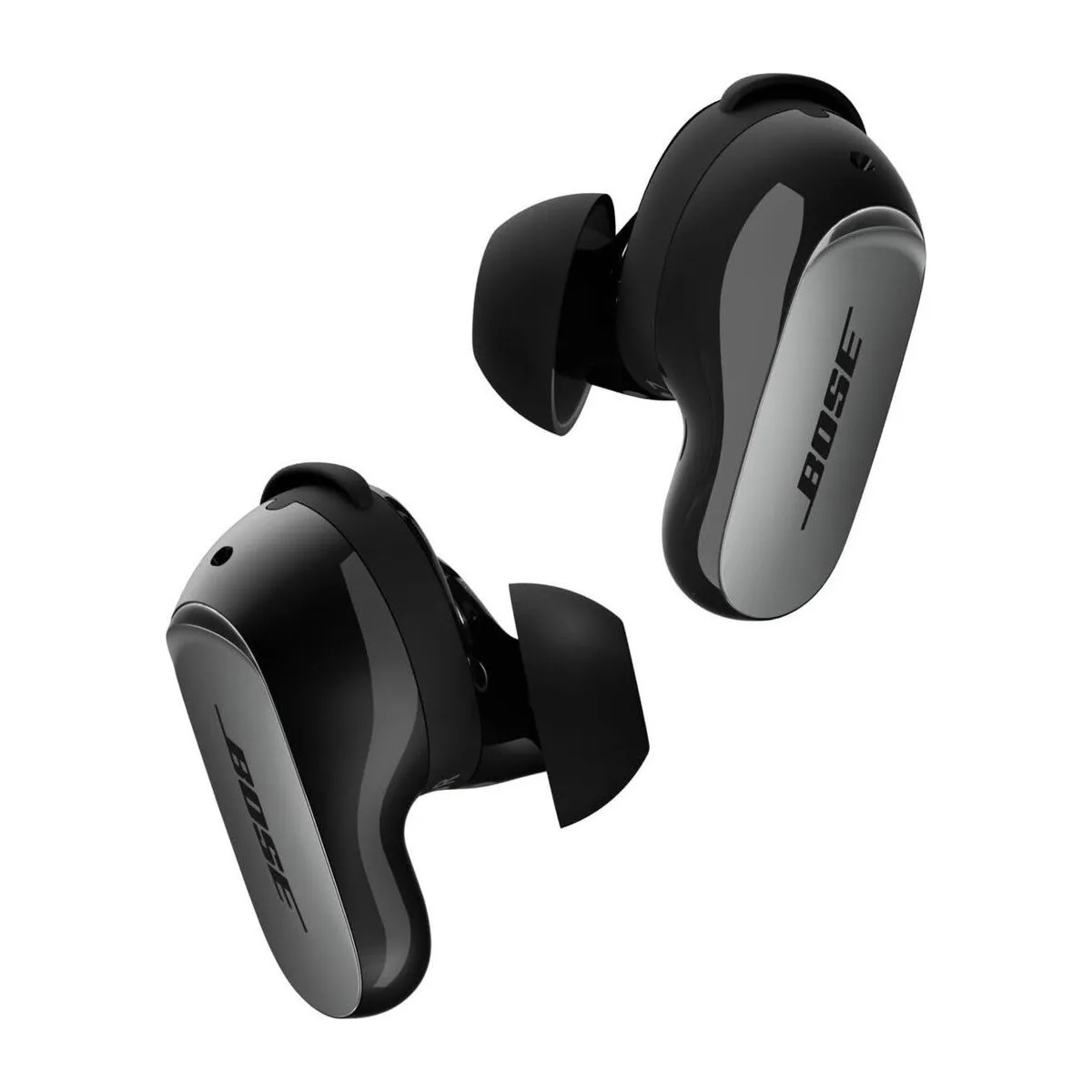
Bose's flagship in-ear, with CustomTune ear-canal measurement, Immersive Audio spatial sound and the strongest cancelling of any earbud sold here.
The Good
- The best noise cancelling in an earbud, and the gap over everything else is audible on a plane
- CustomTune measures your ear canal at each insert and tunes the cancelling to it
- Stability bands hold the fit through a walk without pressing into the ear
- Transparency mode is close enough to natural that you forget it is on
The Bad
- Costs four times the QCY for a difference most people notice on flights
- 4.2 stars is the lowest average in this group, with fit and connection the common complaints
- Battery drops to about six hours with Immersive Audio running
Our Verdict
Buy it if you fly often or work in an open-plan office next to an air conditioning unit. For a commute and a gym, spend a quarter of the money and put the rest somewhere useful.
Samsung Galaxy Buds FE
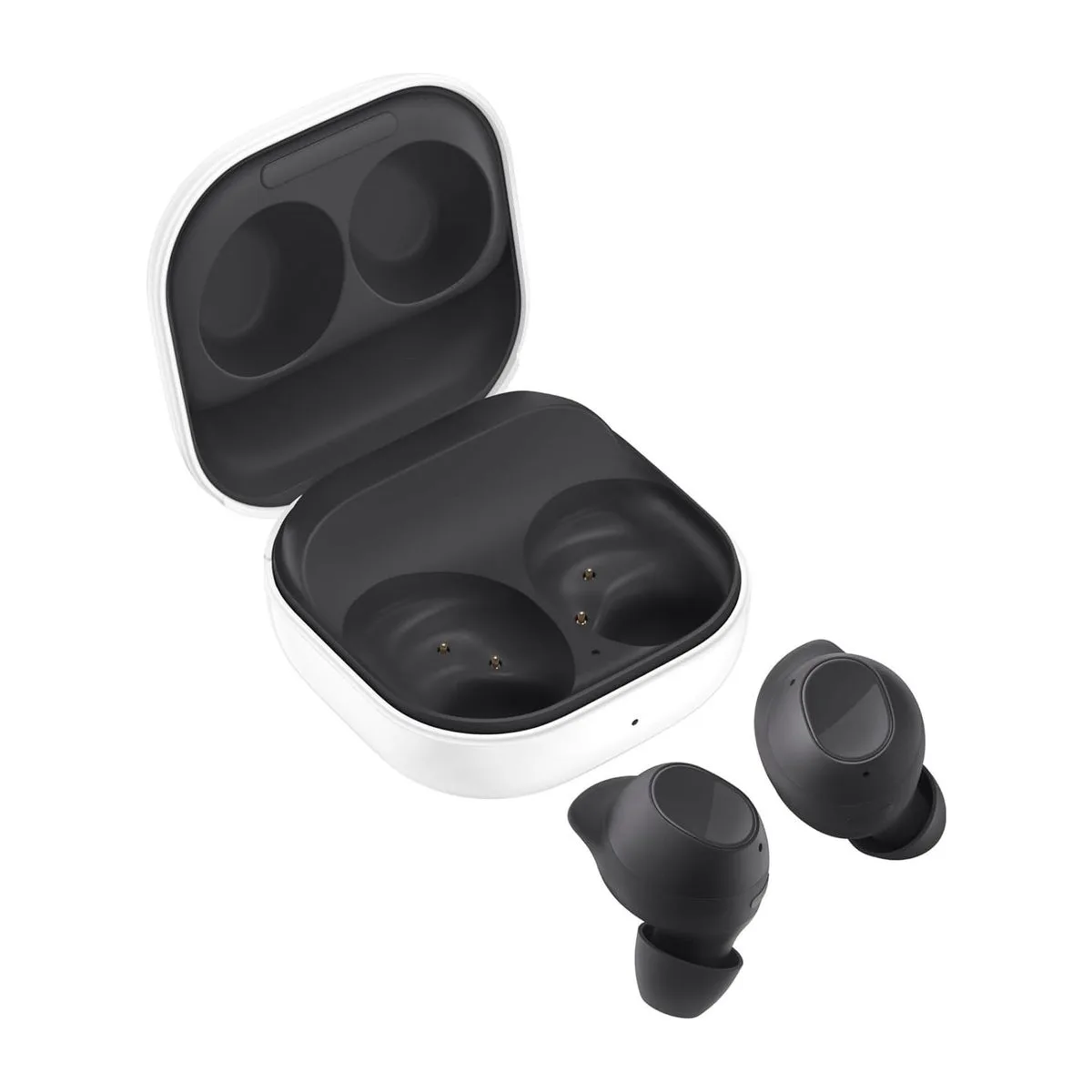
Samsung's budget in-ear with active noise cancelling, wing tips for grip, and full Galaxy integration for seamless switching between phone and tablet.
The Good
- ANC lands close to pairs at twice the price on transport noise
- Wing tips keep them in during a run, which most in-ears do not manage
- Auto switch between Galaxy devices works without touching a menu
- 4.4 stars from 3,700 buyers
The Bad
- The best features need a Samsung phone, and iPhone users lose auto switching and the app
- No wireless charging on the case
- Bass is polite rather than powerful out of the box
Our Verdict
The pick for anyone on a Galaxy phone, and still good value off it. This is the point on the curve where paying more starts buying small improvements rather than obvious ones.
Nothing Ear (a)
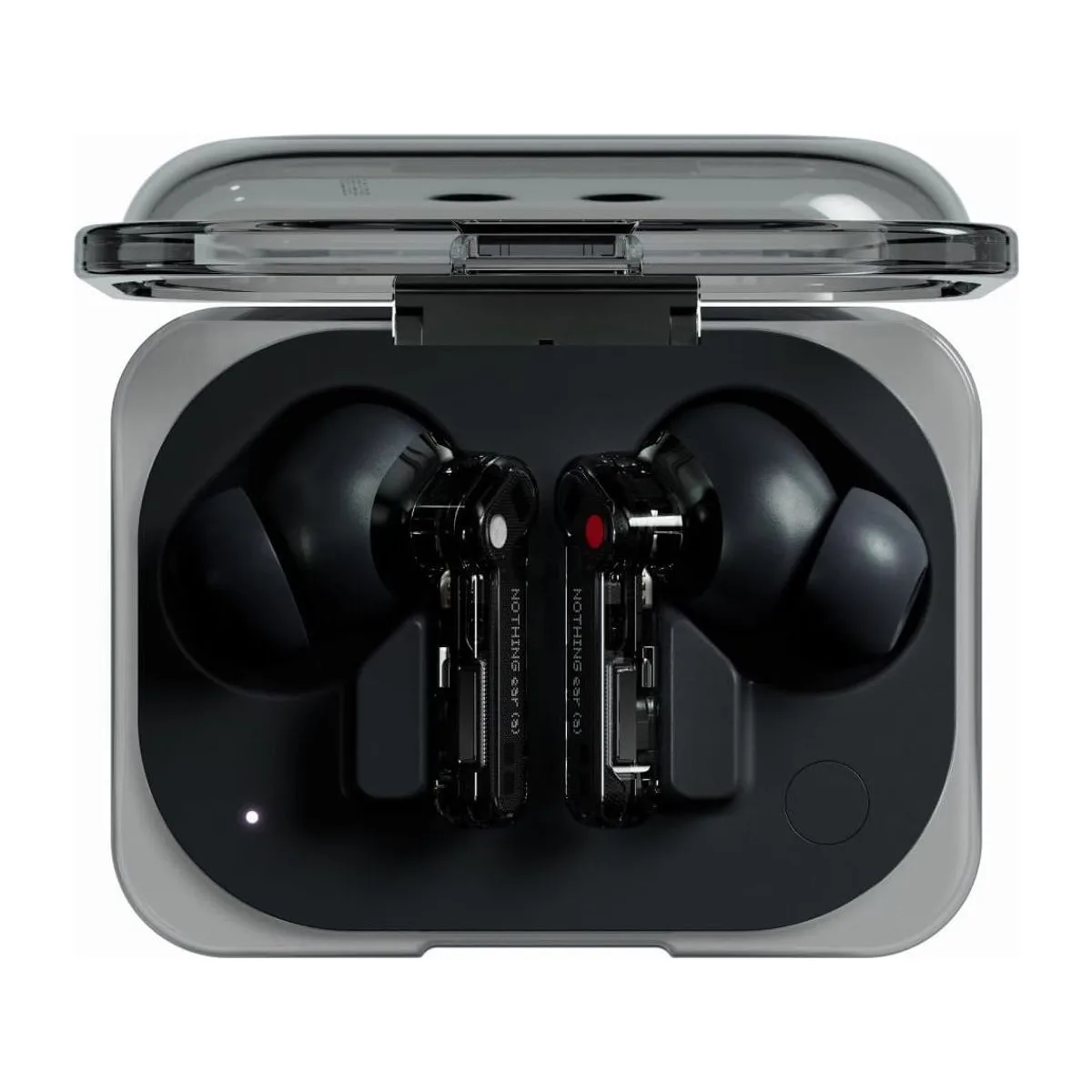
A 45dB-rated ANC earbud in Nothing's transparent shell, with a 10 minute charge giving ten hours and a bass enhancement algorithm in the app.
The Good
- Adaptive ANC adjusts to the room rather than running one fixed level
- Ten hours from a ten minute charge is the fastest top-up here
- The transparent shell is the one piece of earbud design anyone comments on
- App works on both Android and iOS rather than crippling one of them
The Bad
- 45dB claim is a marketing figure, and cancelling sits below the Bose in practice
- Stem design catches on a beanie
- Case scuffs and the transparent shell shows it
Our Verdict
The pick if you want something that does not look like every other earbud. Sound and cancelling sit alongside the Galaxy Buds FE, and the fast charging is the feature you end up relying on.
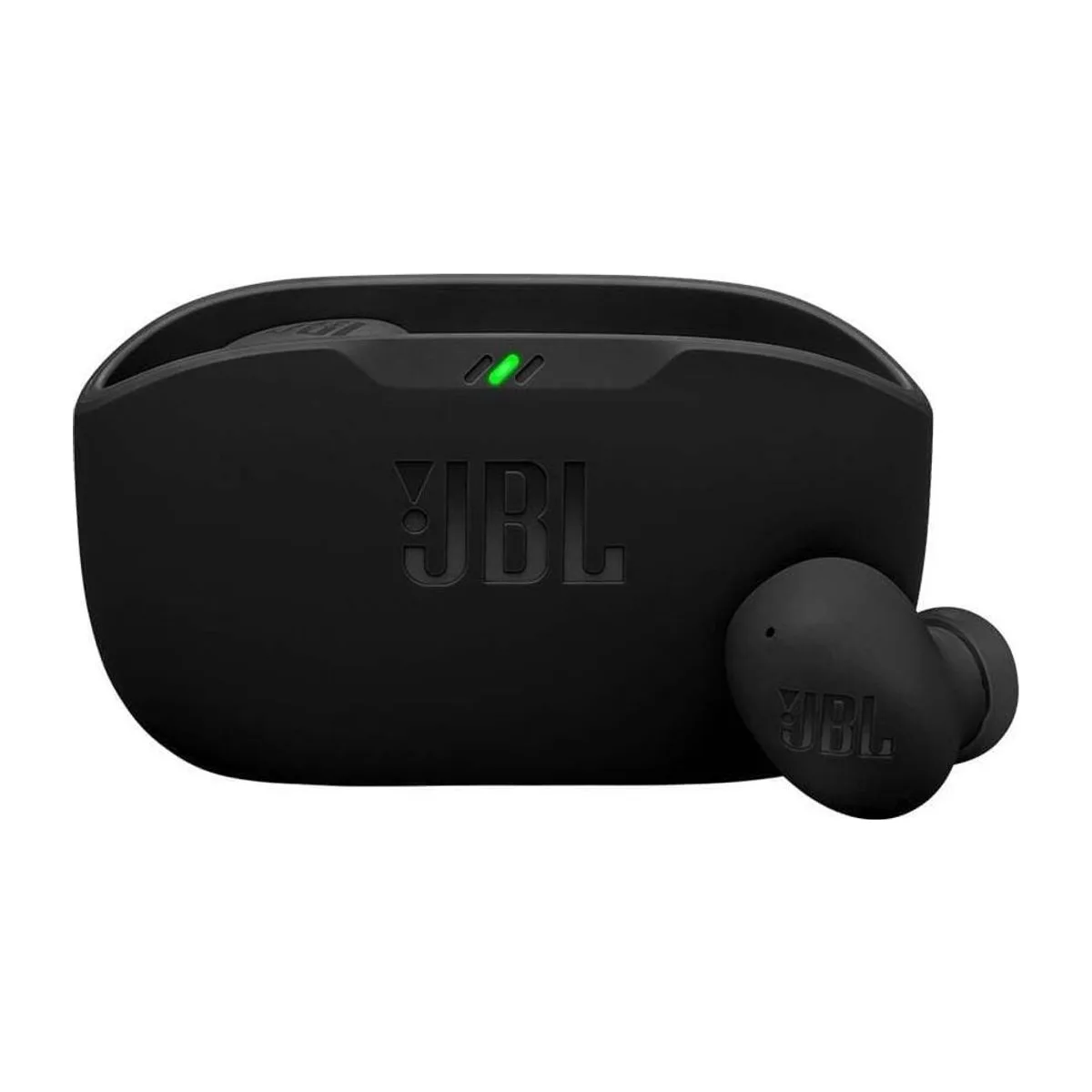
JBL Wave Buds 2
JBL's entry ANC earbud with Pure Bass tuning, Smart Ambient transparency and four microphones for calls, water and dust resistant.
The Good
- Four microphones make it the best of the budget pairs on calls
- Pure Bass tuning suits the gym without smothering vocals
- Smart Ambient is a proper transparency mode at a budget price
- JBL has Australian warranty support through the major retailers
The Bad
- ANC is a step below the Samsung and Nothing on transport
- Bass-forward tuning is not for everyone and the EQ options are limited
- Case is bulky for the size of the buds
Our Verdict
The call pick under $100. If you take meetings on the move, four microphones and a real transparency mode matter more than the last few decibels of cancelling.
QCY HT05 MeloBuds
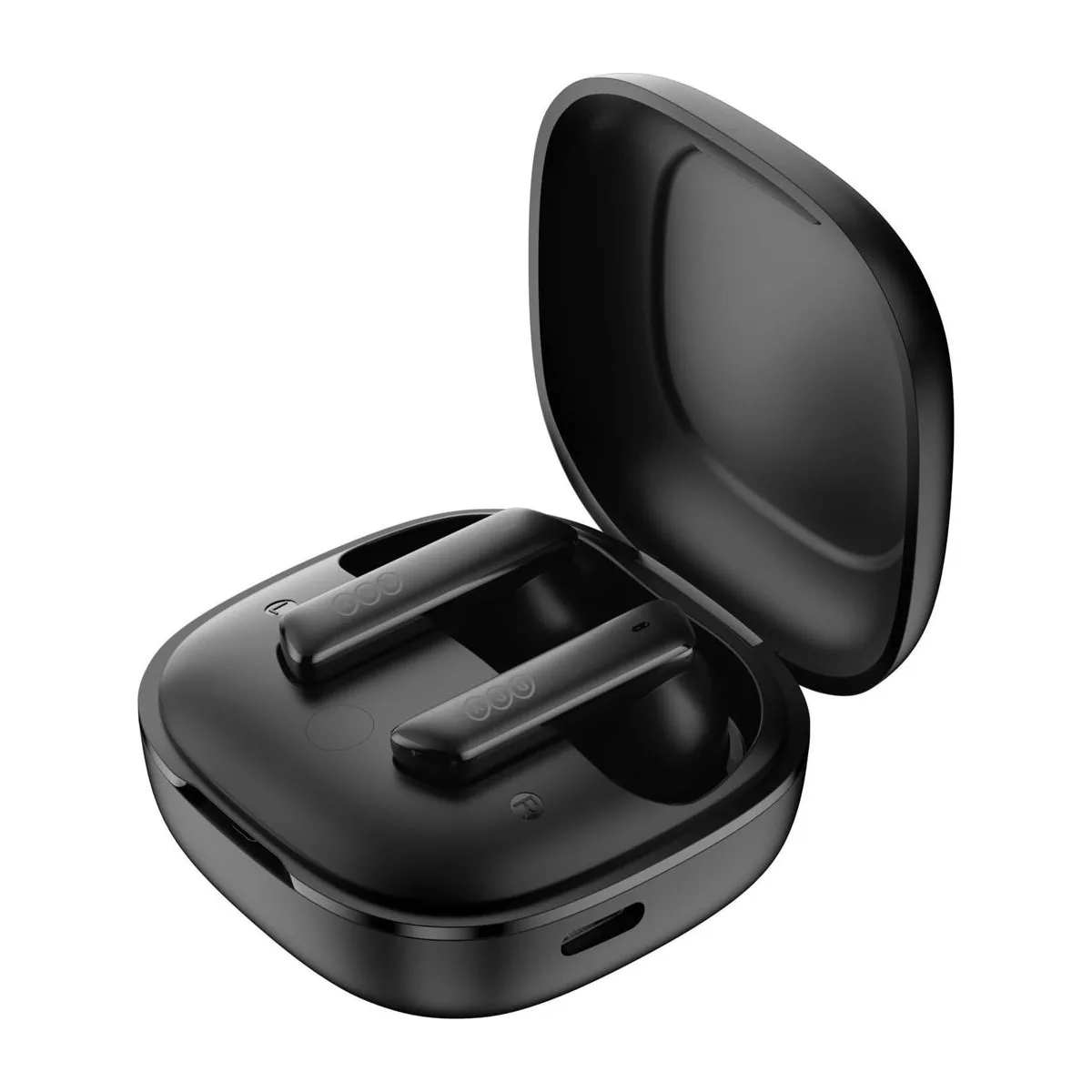
40dB-rated hybrid ANC with three cancelling modes for transport, outdoor and indoor, driven by a 10mm LCP graphene driver.
The Good
- Three ANC modes let you drop the cancelling strength on a footpath rather than turning it off
- 10mm graphene driver has more low end than the price suggests
- 4.4 stars from close to 8,000 buyers
- Cheapest pair here with genuine hybrid ANC rather than passive isolation
The Bad
- App is thin and the EQ is basic
- Call quality falls behind the JBL in wind
- QCY has no local warranty presence, so a fault means dealing with the seller
Our Verdict
The value pick and the answer for most people. You get about 80 per cent of the Bose experience for a fifth of the money, and the missing 20 per cent shows up at 35,000 feet and nowhere else.
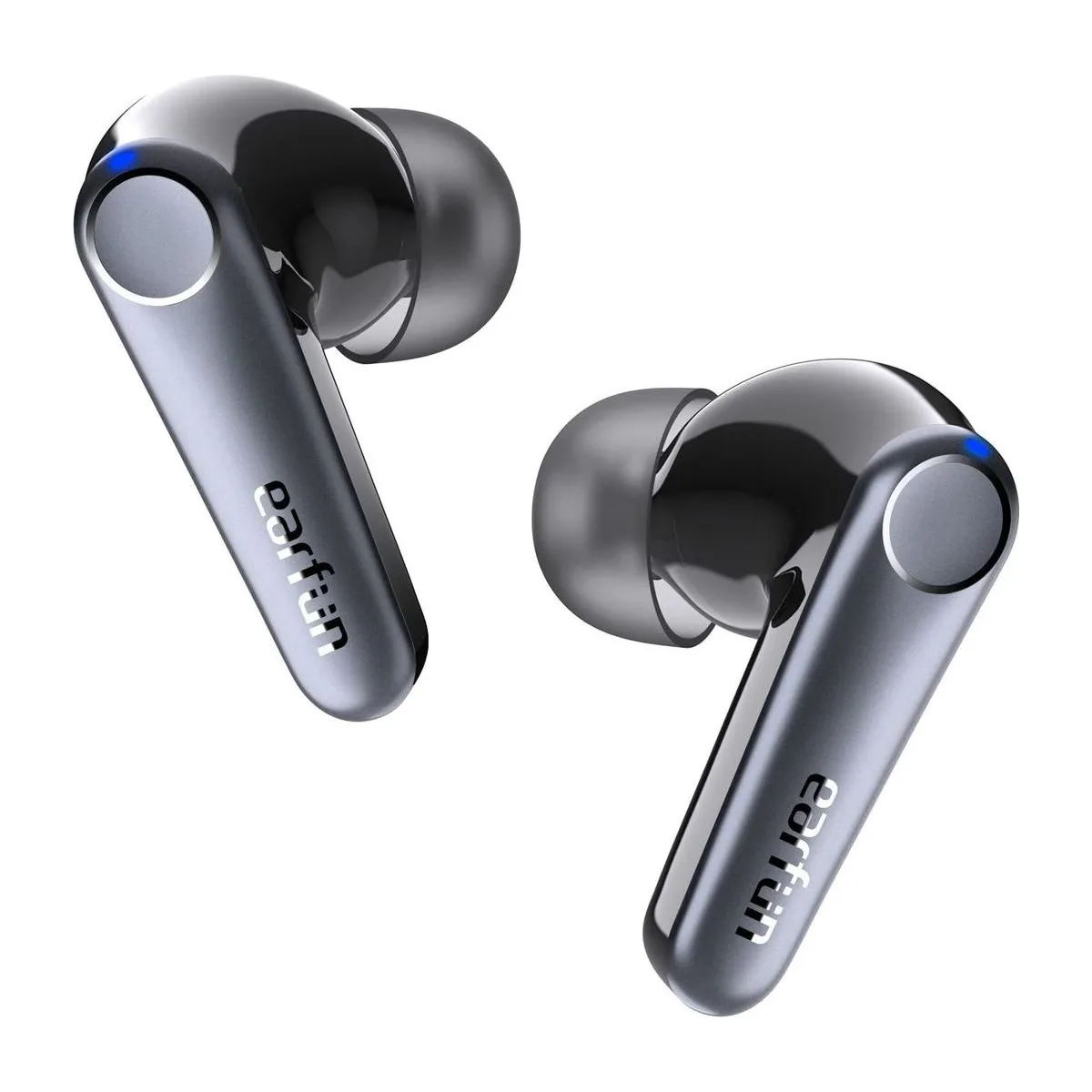
EarFun Air Pro 3
QuietSmart 2.0 adaptive cancelling with LDAC support, aptX Adaptive and a 45 hour total battery with the case.
The Good
- LDAC and aptX Adaptive give it the best codec support at this price
- 45 hours with the case is the longest total battery here
- Adaptive ANC responds to the environment rather than running fixed
- Wireless charging included at a price where most rivals leave it out
The Bad
- 1,853 ratings is a thin sample against the QCY and TOZO
- Fit runs shallow and needs a tip change for a proper seal
- Brand recognition means resale is close to zero
Our Verdict
The pick for Android users who care about codecs. LDAC on a $120 earbud is unusual, and if you stream at high bitrate it is the reason to choose these over the QCY.
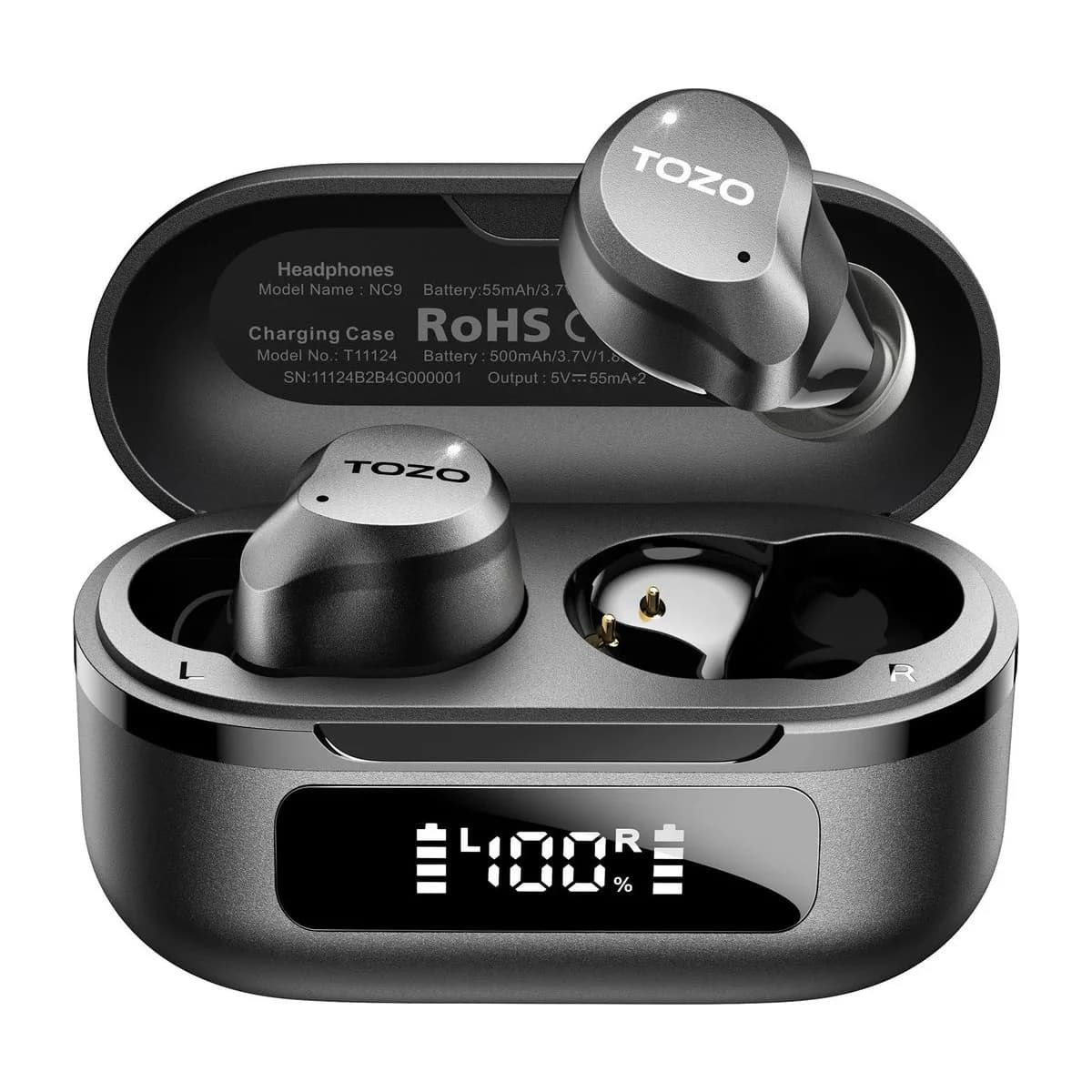
TOZO NC9 Hybrid ANC Earbuds
Hybrid ANC rated to 45dB with six microphones for calls and an IPX8 water rating, from the budget brand with the largest review base in Australia.
The Good
- IPX8 is the highest water rating here and survives being dropped in a sink
- Six microphones for the price of two on most rivals
- 34,000 ratings, more feedback than any other ANC pair on this list
- Cheapest way into hybrid cancelling
The Bad
- 45dB figure describes a lab tone rather than a train
- Sound is bass-heavy and muddies busy tracks
- No app worth using, so what you hear is what you get
Our Verdict
The gym and worksite pick. IPX8 and a low price mean losing or drowning a pair is an inconvenience rather than a problem, and the cancelling is adequate for a treadmill.
Call quality is a separate product
Noise cancelling and call quality solve opposite problems. Cancelling stops you hearing the room. Call microphones have to pull your voice out of that same room and send it on, which is a harder job and one no amount of ANC helps with.
Microphone count is the specification worth reading. Two microphones can subtract steady background from your voice. Four or six can work out which direction the voice is coming from and reject the rest, which is what makes a call on a windy footpath survivable. The JBL Wave Buds 2 and the TOZO NC9 both carry more microphones than pairs costing three times as much.
Wind is the failure case nobody tests for. A microphone in an open stem catches every gust as a roar, and the software cannot separate it from speech. If you take calls outdoors, look for a recessed microphone port and accept that the earbud will sound worse to you and better to the person listening.
Battery claims and what you get
Quoted battery life assumes ANC off and a 50 per cent volume most people do not use. Turning cancelling on costs about 30 per cent, and a commute at higher volume costs more again.
The number that matters is total time with the case, since almost nobody runs an earbud flat in one sitting. A case holding four charges turns six hours into a working week.
| Pair | Quoted per charge | Realistic with ANC on |
|---|---|---|
| Bose QuietComfort Ultra | 6 hours | 4.5 to 5 hours |
| Samsung Galaxy Buds FE | 6 hours | 4.5 hours |
| Nothing Ear (a) | 5.5 hours | 4 hours |
| EarFun Air Pro 3 | 9 hours | 6.5 hours |
| QCY HT05 | 7 hours | 5 hours |
Realistic figures assume ANC on at about 70 per cent volume.
How we picked
Every product below sells on Amazon Australia and clears 4.2 stars from at least 150 buyers. Decibel claims are quoted as published and treated as marketing, because no standard governs how a brand measures them. Ratings and review counts were captured in March 2026 and move over time, so treat them as a shape rather than a score.
We rank on review volume ahead of star average. A five star rating from eleven buyers tells you less than 4.5 from four thousand, and the listings with a handful of reviews are the ones that vanish a month later.
Properfolio earns a commission when you buy through a link on this page. That commission does not decide what ranks where, and no brand has paid for a position in this guide.
Do noise cancelling earbuds block voices?
Not much. Speech sits in a frequency range that changes too fast for the processor to predict, so ANC removes a fraction of it at best. A good seal and something playing over the top does more than the cancelling circuit does.
Are expensive ANC earbuds worth it?
On a plane, yes. The Bose removes engine drone in a way the $60 pairs do not, and on a fourteen hour flight that is the difference between arriving tired and arriving wrecked. On a bus for twenty minutes a day the gap closes to something you would struggle to describe.
Does noise cancelling damage your hearing?
It protects it. Cancelling lowers the background, which means you turn the volume down to hear the music, and volume is what damages hearing. Some people feel a pressure sensation from strong ANC, which is a known effect and not harmful.
Should I choose earbuds or over-ear headphones?
Over-ear wins on cancelling and battery, and earbuds win on everything to do with carrying them. If the pair lives in a bag between a desk and a plane, go over-ear. If it lives in a pocket and goes to the gym, go in-ear.
More audio guides
Headphones and earbuds compared on how they perform, not on the decibel figure.
Browse audio guidesRelated Content
About the Author
Properfolio Editorial
Editorial Team
The Properfolio editorial team delivers data-driven financial commentary and consumer insights for everyday Australians.